An ACL tear can make even simple movement feel uncertain. The knee may swell, walking can become painful, and many people immediately assume that surgery is the only option. In reality, recovery depends on the grade of injury, the stability of the knee, your daily activity needs, and how well rehabilitation is followed. Many patients return to comfortable walking, stair climbing, work, and an active routine with structured physiotherapy and disciplined home exercise.
Early recovery focuses on reducing pain and swelling, restoring knee movement, and waking up weak muscles. As rehabilitation progresses, strength, balance, and movement control become the foundation of stability. The best results usually come from consistent guided exercise, gradual progression, and avoiding a rushed return to twisting or high-impact activity.
The first few days are usually filled with pain, swelling, fear, and confusion. The injury often follows a sudden twist, awkward landing, or fall, and the knee may feel weak or unstable almost immediately. Terms such as grade 2 injury or grade 3 ACL tear can sound overwhelming, but these labels only describe the extent of damage. They do not decide your outcome on their own.
The ACL is a ligament inside the knee that helps control movement and stability, but recovery is not only about whether the torn ligament can repair itself. In everyday life, healing depends on how well the surrounding muscles, balance system, and movement patterns support the joint. Strong quadriceps, hamstrings, hip muscles, and core muscles can improve control and help the knee feel safer during daily activities.
Physiotherapy is often the turning point because it replaces fear with a clear plan. In the beginning, treatment focuses on reducing swelling, improving knee motion, and teaching safe movement. Later, the program gradually builds strength, coordination, balance, and confidence. Even simple early exercises matter because they help the body relearn control without putting unnecessary stress on the healing knee.
Short-term rest is useful after injury, but too much rest often leads to stiffness, weakness, and more hesitation while walking. A better approach is controlled movement introduced at the right time. Guided bending and straightening, muscle activation work, and basic weight-bearing exercises help restore mobility while protecting the knee. Recovery is rarely dramatic from one day to the next, but steady progress adds up.
Non-surgical ACL rehabilitation depends on progressive strengthening. The main targets are the front thigh muscles, back thigh muscles, hip muscles, and core, because these areas help support the knee during standing, walking, stair climbing, and controlled direction changes. The goal is not to train aggressively from day one, but to improve control step by step until the knee feels dependable again.
Clinic sessions are important, but daily home exercise is what keeps recovery moving forward. Gentle muscle tightening, controlled leg lifts, balance practice, and stretching can all be done without expensive equipment when they are prescribed correctly. The biggest gains usually come from regular practice, not from occasional hard effort. In ACL rehab, consistency is more valuable than intensity.
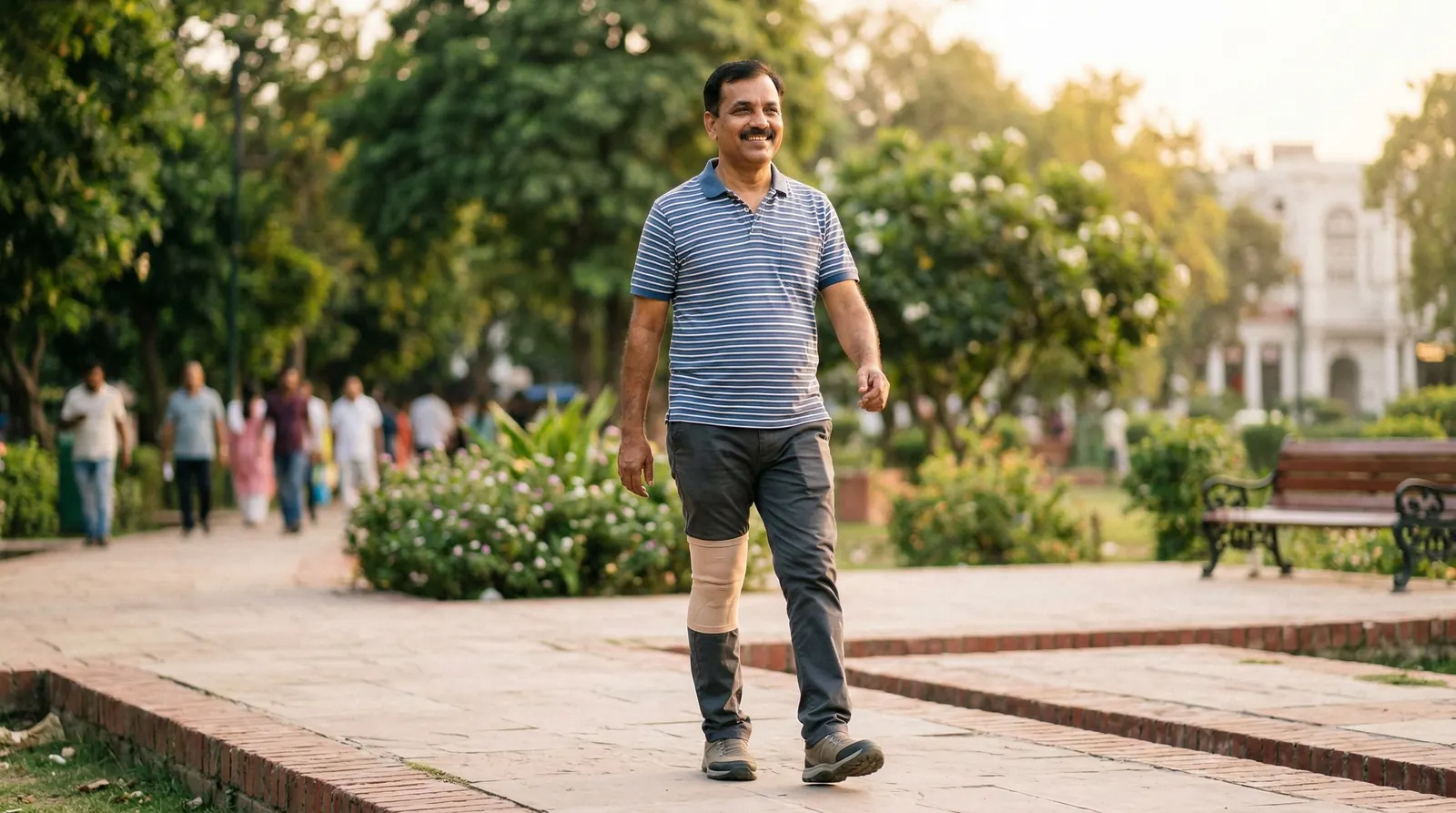
Walking normally again is one of the biggest emotional milestones after an ACL injury. At first, people often protect every step and avoid turns, stairs, or uneven ground. As swelling settles and strength improves, walking becomes smoother, balance improves, and the knee begins to feel like part of the body again rather than a constant problem. Many people with a torn ACL are able to return to work, travel, household activity, and routine movement without surgery when rehab is done properly.
Running is possible for some patients, but it should never be the first target. The knee needs enough strength, stability, and recovery capacity before impact activity is introduced. Straight-line jogging may be manageable later in rehab for selected people, while sports that involve sudden twisting, cutting, jumping, or contact usually carry a higher risk. A safe return depends on function, not impatience.
A grade 2 ACL tear means the ligament is partially torn, and these cases often respond well to physiotherapy when the knee remains reasonably stable. Pain usually improves first, then strength and confidence build over the following weeks and months. A grade 3 tear means the ligament is fully torn. Surgery is common in that situation, especially for athletes or people who need pivoting movement, but it is still not automatically necessary for everyone. Some non-athletic patients manage well without surgery when the knee becomes stable through rehabilitation and smart lifestyle adjustments.
ACL recovery without surgery is different for every person. Age, body weight, activity level, injury grade, swelling, strength loss, and commitment to physiotherapy all affect the timeline. Pain often improves earlier than strength, and strength often improves earlier than confidence. Many people need several months of structured rehab, and grade 3 injuries may need six to nine months or longer before the knee feels dependable during demanding tasks.
The torn ligament itself usually does not return to its original form, but that does not mean the knee cannot function well. The body adapts by improving muscular support, joint control, and movement strategy around the injury. This is why many patients can walk, work, and stay active even when the ACL has not fully repaired. The key is not wishful thinking, but disciplined rehabilitation.
Long-term results depend on what happens after the early pain fades. People are more likely to face re-injury when they stop rehab too soon, skip strength work, or return to twisting activity before the knee is ready. Ongoing strengthening, proper warm-up, movement awareness, and avoiding careless pivoting all help protect the joint. When rehab is neglected, instability, repeated injury, cartilage stress, and early joint wear can become bigger concerns later.
An ACL tear can feel like the end of normal life in the beginning, but for many people it becomes the start of a disciplined and successful recovery journey. With physiotherapy, patience, progressive exercise, good sleep, and smart activity choices, the knee can become strong, steady, and trustworthy again. Recovery is not about rushing to prove something in a few weeks; it is about rebuilding strength and confidence in a way that lasts.
For related guidance, read Lower Back Pain Relief That Works.
Our post-surgery and orthopedic rehab team builds personalized plans for pain relief, strengthening, and safe return to activity.
Book Rehab AssessmentAuthor: Dr Sahil Saurav
Senior Consultant Physiotherapist
Specialist in ACL and Sports Injury Rehabilitation
(Sajjad Rehabilitation & Therapy Centre, Patna)
6+ years of clinical experience