← Back to Blog
Physiotherapy
Feb 23, 2026
By Dr Darakhshan Sajjad
Lower Back Pain Relief That Works: Why It Happens, What Makes It Worse, and How to Fix It Safely
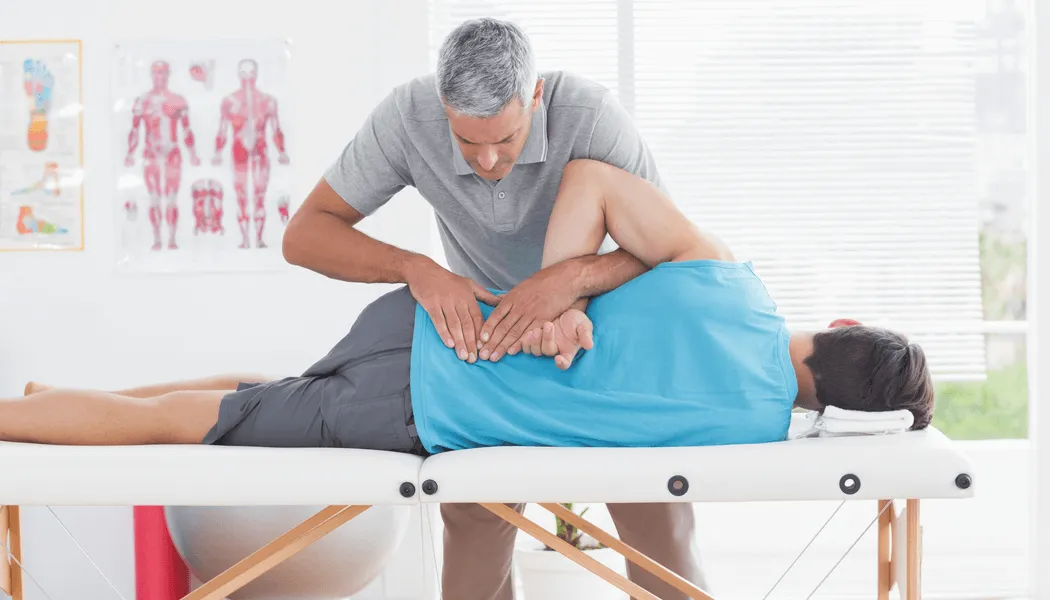
Lower back pain is one of the most common health problems today. People of all ages suffer from it: young adults, working professionals, homemakers, athletes, and elderly people. For some, the pain comes slowly. For others, it appears suddenly and becomes severe.
Lower back pain can affect daily life. Simple activities like sitting, walking, bending, or sleeping may become painful. Many people feel confused about what causes their pain and how to treat it safely.
This article explains lower back pain in a clear, simple, and practical way. It covers causes, symptoms, exercises, physiotherapy treatment, medicines, home care, and prevention.
Quick Relief Overview
- Most lower back pain improves with guided movement, posture correction, and muscle strengthening.
- Complete bed rest usually makes pain worse; gentle activity helps recovery.
- Physiotherapy targets the root cause, not just temporary pain relief.
- Long-term improvement depends on daily habits, core strength, and prevention routines.
Lower Back Pain: A Complete Guide to Causes, Relief, Exercises, and Prevention
The lower back, also called the lumbar spine, supports most of the body weight. It helps with movement, posture, and balance. Because it works so hard, it is more likely to get strained or injured.
Lower back pain may last a few days or weeks. This is called acute pain. If pain lasts more than three months, it is called chronic lower back pain.
Understanding Lower Back Pain
Lower back pain does not come from one single reason. It often develops from repeated stress on muscles, joints, discs, and posture over time.
Common Causes of Lower Back Pain
Muscle Strain and Ligament Injury
Sudden movements, lifting heavy objects, or bending wrongly can stretch muscles and ligaments. This is one of the most common causes.
Poor Posture
Long hours of sitting, especially with a bent back or forward head posture, put pressure on the spine.
Disc Problems
Bulging or slipped discs can press on nerves and cause pain that may travel to the legs.
Weak Core Muscles
Weak abdominal and back muscles fail to support the spine properly.
Lack of Physical Activity
Staying inactive for long periods makes muscles stiff and weak.
Lower Back Pain in Females
Women may experience lower back pain due to:
- Hormonal changes
- Pregnancy
- Menstrual cycle
- Poor posture during household work
- Weak pelvic and core muscles
Sudden lower back pain in females can also happen due to lifting, sudden twisting, or stress.
Lower Back Pain in Males
In men, lower back pain is often linked to:
- Heavy lifting
- Gym injuries
- Long hours of sitting or driving
- Sports strain
- Weak flexibility
Improper weightlifting technique is a major cause in males.
Symptoms of Lower Back Pain
Lower back pain symptoms may include:
- Dull or sharp pain in lower back
- Stiffness after rest
- Pain while bending or lifting
- Pain spreading to hips or legs
- Muscle tightness
- Reduced movement
If pain includes numbness, weakness, or bladder problems, medical help is needed.
Lower Back Pain Relief: What Really Helps
Relief from lower back pain comes from the right combination of rest, movement, and treatment.
Short Rest
Short rest helps, but long bed rest makes pain worse.
Heat and Cold Therapy
- Ice reduces swelling in early stages
- Heat relaxes muscles and improves blood flow
Gentle Movement
Light walking keeps muscles active and prevents stiffness.
Lower Back Pain Medicines
Medicines may be used for short-term relief:
- Pain relievers
- Muscle relaxants
- Anti-inflammatory medicines
Medicines treat symptoms, not the root cause. Long-term use is not recommended without medical advice.
Role of Physiotherapy in Lower Back Pain
Physiotherapy is one of the best treatments for lower back pain.
Physiotherapy focuses on:
- Reducing pain
- Improving movement
- Strengthening muscles
- Preventing future injury
A physiotherapist creates a personalized plan based on your condition. You can also explore our physiotherapy services for a guided plan.
Lower Back Pain Exercises: Why They Matter
Exercise is essential for recovery. The right exercises reduce pain, improve strength, and protect the spine.
Benefits of exercises:
- Stronger back and core muscles
- Better posture
- Reduced stiffness
- Faster healing
- Less chance of pain returning
The Big 3 Exercises for Lower Back Pain
These exercises protect the spine and build core stability.
1. Modified Curl-Up
Strengthens abdominal muscles without stressing the spine.
2. Side Plank
Improves side core strength and spinal stability.
3. Bird Dog Exercise
Improves balance and coordination between back and core muscles. These are often called the safest core exercises for lower back pain.
Single Best Exercise for Lower Back Pain
There is no one exercise that suits everyone, but bird dog exercise is often considered the safest and most effective for many people. It strengthens the back, core, and improves control without pressure.
Lower Back Pain Exercises at Home
Home exercises are simple and effective when done correctly:
- Pelvic tilts
- Knee-to-chest stretch
- Cat-camel stretch
- Glute bridges
- Child's pose
These exercises help relax and strengthen the lower back.
Physiotherapy Exercises for Lower Back Pain
Physiotherapy exercises include:
- Core strengthening
- Stretching tight muscles
- Hip mobility exercises
- Postural correction exercises
They are progressed slowly based on recovery.
Lower Back Pain Exercises at the Gym
Gym exercises should be done carefully:
- Use light weights
- Focus on form
- Strengthen core first
- Avoid jerky movements
Gym training should support healing, not increase pain.
Exercises to Avoid with Lower Back Pain
Some exercises increase pressure on the spine and should be avoided during pain.
Worst Exercises for Lower Back Pain
- Heavy deadlifts
- Full sit-ups
- Toe touches
- Russian twists
- Leg press with heavy load
Weight Lifting Exercises to Avoid with Lower Back Pain
- Heavy squats without support
- Bent-over rows with heavy weight
- Overhead lifts with poor posture
Incorrect lifting can worsen pain.
Leg Exercises to Avoid During Lower Back Pain
- Straight leg raises with arching back
- Heavy lunges without balance
- Jumping exercises during pain
Should You Stretch If Your Lower Back Hurts?
Yes, but only gentle stretching. Avoid forcing movements. Stretching helps reduce stiffness and muscle tightness when done safely.
Exercises That Strengthen the Lower Back
- Glute bridges
- Bird dog
- Side plank
- Pelvic stabilization exercises
Strong muscles protect the spine.
Lower Back Pain Relief Through Lifestyle Changes
Small daily habits make a big difference:
- Maintain good posture
- Take breaks from sitting
- Sleep on a firm mattress
- Avoid sudden bending
- Stay active
How Lower Back Pain Gets Fixed Long-Term
Lower back pain improves when:
- Root cause is treated
- Muscles are strengthened
- Posture is corrected
- Activity is balanced
Many people fix their lower back pain through physiotherapy and regular exercise.
Preventing Lower Back Pain
Prevention is better than treatment.
Simple prevention tips:
- Exercise regularly
- Strengthen core muscles
- Lift properly
- Avoid long sitting
- Maintain healthy weight
- Warm up before workouts
When to Seek Medical Help
Seek help if:
- Pain lasts more than 2 to 3 weeks
- Pain spreads to legs
- Numbness or weakness appears
- Pain affects daily life
Early care prevents long-term problems.
Related Internal Resources
Author: Dr Darakhshan Sajjad
Senior Consultant physiotherapist
Specialist in Orthopedic and Spine Rehabilitation
(Sajjad Rehabilitation & Therapy Centre, Patna)
6+ years of clinical experience
Medical Disclaimer: This content is for educational purposes only and does not replace professional medical advice, diagnosis, or treatment. Always consult a qualified healthcare professional if lower back pain persists or worsens.
Frequently Asked Questions
What is the fastest safe relief for lower back pain?
Short rest, heat or ice, gentle walking, and guided exercises usually provide early relief. Avoid complete bed rest because it can increase stiffness and delay recovery.
Can lower back pain heal without surgery?
Yes. Most lower back pain cases improve with physiotherapy, posture correction, core strengthening, and lifestyle changes. Surgery is needed only in selected severe conditions.
Which exercise is best for lower back pain?
Bird dog, side plank, and modified curl-up are widely used safe options to build core stability. The best exercise still depends on your exact diagnosis.
Is walking good for lower back pain?
Yes. Light walking helps reduce stiffness, improves circulation, and supports recovery. Start slowly and increase duration based on comfort.
What should I avoid when my lower back hurts?
Avoid heavy lifting, jerky twisting, prolonged sitting, and high-load exercises like heavy deadlifts during painful phases.
How long does lower back pain usually last?
Acute back pain often improves in a few days to weeks. Pain lasting more than three months is considered chronic and needs structured rehabilitation.
Do pain medicines cure lower back pain?
Medicines can reduce pain temporarily but do not fix the underlying cause. Long-term recovery requires movement therapy and correction of contributing habits.
Can poor posture cause lower back pain?
Yes. Repeated poor sitting or standing posture increases stress on the lumbar spine and muscles, often leading to pain and stiffness.
When should I see a doctor for back pain?
See a doctor if pain lasts beyond 2 to 3 weeks, spreads down the leg, causes numbness or weakness, or interferes with daily life.
Can physiotherapy prevent lower back pain from returning?
Yes. Physiotherapy improves strength, flexibility, posture, and movement control, which lowers the chance of repeated back pain episodes.