
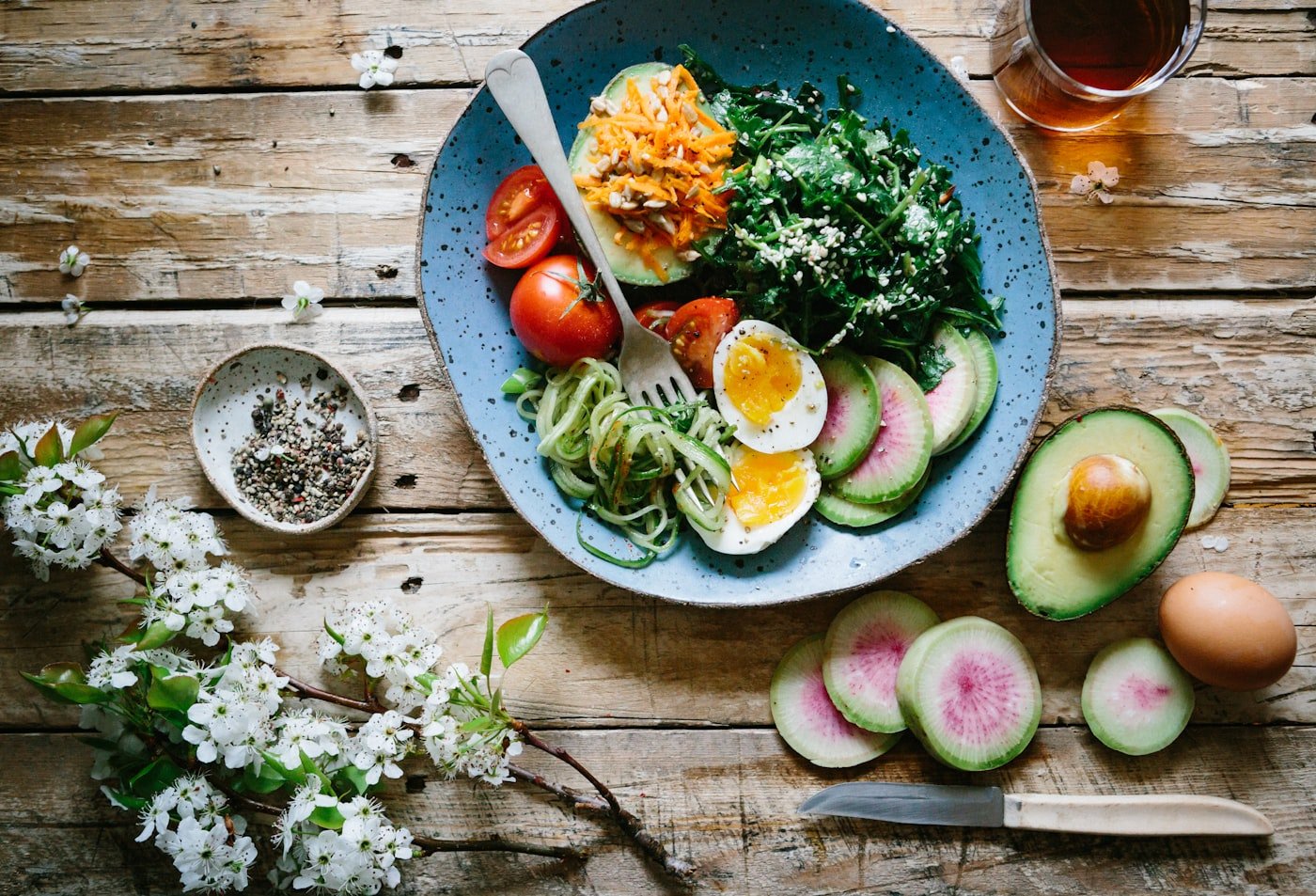
Many people eat enough to feel full, yet still miss a basic part of a healthy diet. Fiber deficiency is common when meals depend too much on refined grains, snacks, biscuits, fried food, and too little fruit, dal, or vegetables. The result may be constipation, bloating, heaviness, or hunger returning too quickly.
Fiber is found in plant foods such as fruits, vegetables, pulses, whole grains, seeds, and nuts. It does not work like sugar or quick energy, but it plays an important role in digestion, gut comfort, and fullness.
What Fiber Actually Does
Fiber is the part of plant food the body does not fully digest. That is exactly why it is useful. It helps food move through the digestive system and supports healthier bowel movement.
Some fiber absorbs water and becomes soft, which helps with fullness and blood sugar balance. Other fiber adds bulk to stool and helps reduce constipation. Most people do not need to remember the scientific names. They only need to eat a wider variety of plant foods regularly.
Why Fiber Deficiency Is So Common
Low-fiber eating is often the result of daily habit, not lack of care. White rice, maida snacks, bakery items, instant noodles, fried foods, tea with biscuits, and packaged products are convenient, tasty, and very common.
At the same time, fruits may be skipped, vegetables may be eaten in small quantity, and whole grains are often replaced by refined options. The plate feels full, but the body still misses what it needs.
Signs Your Body May Need More Fiber
Fiber deficiency usually starts with small signals. Common warning signs include constipation, hard stool, bloating, gas, heaviness after meals, irregular bowel movement, and feeling hungry again very soon after eating.
Some people also feel tired, uncomfortable, or say the stomach never feels properly clear. These signs are easy to ignore at first, but they often improve when fiber intake improves.
Why Fiber Matters Beyond Digestion
Fiber does more than help with stool movement. It supports gut health, feeds good bacteria, and helps many people feel lighter and more comfortable through the day.
Fiber-rich meals can also support weight management because they help people feel full for longer. Some types of fiber also help with blood sugar control and heart health over time.
Easy Fiber-Rich Foods for Indian Homes
Good fiber does not require expensive or foreign foods. Many useful options are already part of Indian kitchens, including whole wheat atta, oats, dalia, brown rice, jowar, bajra, ragi, moong dal, chana, rajma, chole, and masoor dal.
Vegetables such as carrot, beans, cabbage, bhindi, lauki, palak, beetroot, pumpkin, and green peas help. Fruits such as guava, papaya, apple, orange, banana, pear, and pomegranate are also practical choices. Seeds and nuts like flaxseed, peanuts, almonds, and chia can add more support.
Simple Ways To Add More Fiber
Small changes are easier to sustain than sudden diet overhauls. Breakfast can improve with fruit, oats, vegetable poha, dalia, or sambar with extra vegetables.
Lunch and dinner can improve with one bowl of dal, more sabzi, salad, and occasional use of brown rice or millet alongside regular staples. Evening snacks can shift from chips and biscuits to roasted chana, fruit, sprouts, or boiled corn.
Common Mistakes People Make
One common mistake is increasing fiber too fast. That can cause bloating and discomfort, especially when water intake stays low.
Another mistake is depending only on supplements or thinking fruit alone is enough. Real improvement usually comes from a balanced mix of fruits, vegetables, pulses, and whole grains taken regularly with enough water.
When To See a Doctor
Food changes help many people, but some symptoms still need medical advice. Ongoing constipation, blood in stool, long-term stomach pain, sudden weight loss, or persistent digestive trouble should not be ignored.
When symptoms stay for many days or become worse, proper medical evaluation is the safer next step.
Recommendation
The truth about fiber deficiency is simple: many people are eating enough food, but not enough of the right kind of food. More whole grains, pulses, vegetables, fruits, seeds, and water can make everyday meals better for digestion, comfort, and long-term health.