
Chronic Lung Care
Patients with chronic breathlessness
For COPD, asthma, pulmonary weakness, and long-term breathing problems that need guided support at home.
Recovering from lung conditions requires specialized care. Sajjad Rehabilitation brings certified respiratory therapists to your home. We provide chest physiotherapy, oxygen support, and pulmonary rehabilitation for COPD, post-ICU recovery, and chronic lung diseases.
Home respiratory therapy is most useful when breathlessness, chest congestion, weak coughing, poor stamina, or post-hospital lung recovery make regular hospital visits exhausting or unsafe.It works best when breathing support has to continue steadily at home with guided exercises, airway clearance, and practical monitoring.
For COPD, asthma, pulmonary weakness, and long-term breathing problems that need guided support at home.

For patients who return home weak, easily breathless, or dependent on structured respiratory recovery after serious illness.
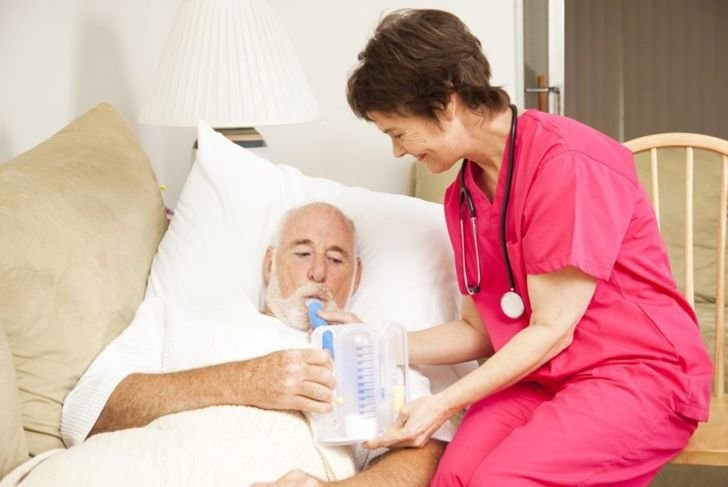
For post-pneumonia, post-viral weakness, secretion clearance difficulty, and reduced chest expansion after illness.

For older patients who need help with chest clearance, breathing exercises, positioning, or activity tolerance at home.
Techniques that help loosen secretions, improve airway clearance, and support easier breathing in patients with chest congestion.
Structured breathing work to improve chest expansion, control breathlessness, and support better oxygen use during activity.
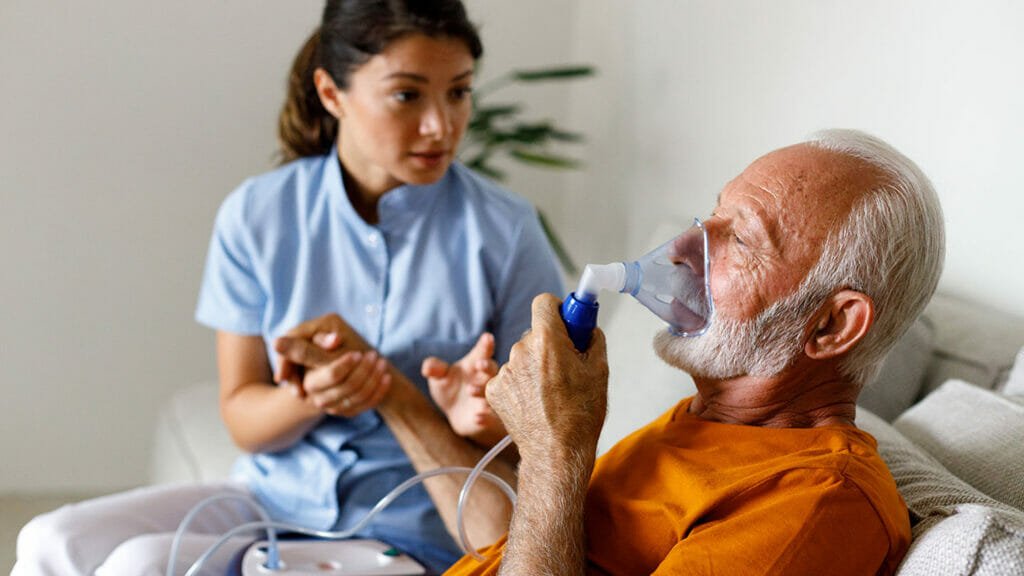
Practical home support around nebulization routines, oxygen use guidance, and safer day-to-day respiratory care as advised.
Graded activity and breathing-based exercise for patients who need more stamina, recovery, and confidence after illness or chronic lung weakness.
Body-position strategies that assist secretion movement, chest comfort, and better airway clearance in dependent or weak patients.
Home-based breathing support that helps patients continue recovery after ICU stay, severe infection, or prolonged hospitalization.
Structured home respiratory care with breathing support, practical monitoring, and continuity that reduces avoidable travel strain.
Every visit follows a clear care plan so treatment stays structured and purposeful.
Patients are matched with trained therapists and care staff based on their needs.
Families stay informed so home care is easier to follow and continue between visits.
Regular follow-up helps patients continue recovery with less disruption and better consistency.
Care is delivered with practical safety, hygiene, and attention to patient comfort during each visit.
Home appointments are planned around patient needs so therapy becomes easier to continue regularly.
Patients can continue therapy in a familiar environment that reduces stress and supports better cooperation.
Our home respiratory therapy services are expanding to support patients and families who need breathing exercises, chest care, post-hospital lung recovery, and better continuity at home.
We are expanding our home respiratory care network across India.
It can be much more than basic support. Many patients need chest clearance, breathing retraining, stamina rebuilding, and practical home guidance after hospitalization, ICU stay, or a serious respiratory illness. The exact benefit depends on the diagnosis and overall medical stability.
The first visit usually includes a breathing and activity review, symptom history, oxygen-related discussion if relevant, chest movement observation, cough or secretion assessment, and a plan for exercises, airway clearance, and home precautions based on the patient's condition.
Often yes. Equipment alone does not replace guided breathing work, secretion clearance, positioning, and graded recovery. A therapist can help the family use the home routine more effectively and safely.
Yes. That is one of the most practical situations for home respiratory support. Older patients often need breathing exercises, chest clearance help, safe positioning, and gradual activity progression without the stress of repeated travel.
Severe breathlessness, blue lips, chest pain, new confusion, very low oxygen, inability to speak properly because of breathing distress, or a sudden major decline should not be managed by waiting for routine home therapy. Those need urgent medical review.
It depends on the severity of the problem, secretion load, stamina, diagnosis, and how well the patient or family can continue the advised routine between visits. Some patients need a more intensive short-term plan, while others do well with spaced follow-up and daily breathing practice.