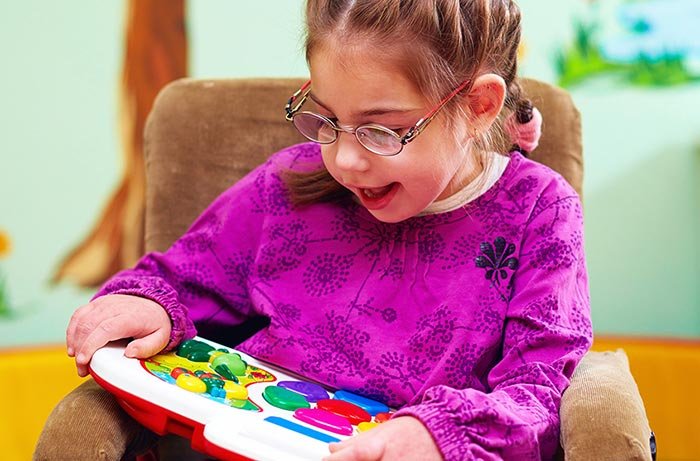
At our Patna centre, we provide specialized pediatric occupational therapy to help children with Cerebral Palsy improve fine motor skills, hand function, and independence in daily activities like eating, dressing, and playing.
Difficulty grasping small objects, holding a pencil, or using scissors.
Trouble coordinating vision with hand movements, affecting play and writing.
Challenges with buttoning clothes, tying shoelaces, or feeding independently.
Over-sensitivity or under-sensitivity to touch, sound, or movement.
Weakness or stiffness in arms and hands limiting functional use.
Difficulty understanding spatial relationships and visual information.
While physiotherapy focuses on walking and large movements, Occupational Therapy (OT) for Cerebral Palsy focuses on the "job of living." For a child, this means playing, learning, and self-care.
At Sajjad Rehabilitation & Therapy Centre, we help children with CP overcome challenges with hand coordination, sensory processing, and daily tasks to maximize their independence.
Occupational therapy helps children with CP participate in school and social activities. We focus on:
Starting occupational therapy early supports better outcomes during key brain and motor development years. Early intervention helps children build movement quality, improve daily living skills faster, and reduce long-term dependency at home and school.
Evaluating hand function, sensory needs, and daily living skills.
Using games and toys to improve fine motor skills and coordination.
Practicing tasks like eating, dressing, and grooming to build independence.
Teaching parents how to support their child's development at home.
We use a variety of evidence-based techniques tailored to each child:
Get a professional evaluation and a personalized occupational therapy plan.
These FAQs are based on common real-world questions parents ask on platforms like Reddit and in therapy consultations.
Start with a pediatric neurologist or developmental pediatrician and ask for an early intervention referral. Do not wait and watch for months without support. Early therapy planning gives your child a stronger start.
In many cases, no. Children with developmental delays can often begin early intervention before MRI is done. Starting earlier can improve movement, hand use, and daily skills.
Most children start with 1 to 3 sessions per week, based on age, severity, and goals. A short daily home routine is also important. Consistency matters more than doing too much at once.
Small changes may appear in 4 to 8 weeks. Bigger goals like dressing independence, better hand function, and school participation may take 3 to 6 months or more. Progress is often step-by-step, not linear.
Some frustration is normal when tasks are new or hard. But sessions should still feel safe, playful, and regulated. If your child is distressed most of the session, ask the therapist to adjust goals, pacing, and sensory supports.
Yes, OT can help with posture, hand-to-mouth control, and mealtime routines. If there is choking, coughing, or poor weight gain, feeding should be reviewed urgently with a pediatric doctor and feeding specialist.
Practice 10 to 20 minutes daily using your therapist's home plan. Focus on routine tasks like dressing, cup holding, grasp-and-release play, and supported sitting or standing. Keep it fun and stop before your child is exhausted.
Request a formal school evaluation and ask for an IEP or accommodations plan based on your child's needs. OT goals can include writing, classroom seating, self-care, and transitions. Share clinic reports with school so everyone works on the same goals.