Arthritis Treatment in Patna
Specialized physiotherapy programs to manage pain from osteoarthritis and rheumatoid arthritis, reduce joint stiffness, and improve overall function and quality of life.
Reasons of Arthritis
Joint Weight Wear Over Time
Joint cartilage can wear down over time, especially in weight-bearing joints.
Old Joint Injury
Past injuries like fractures or ligament tears can lead to joint damage later.
Extra Body Weight
More weight puts more pressure on joints like the knees and hips.
Family History
Some people are more likely to develop arthritis because it runs in the family.
Autoimmune Disease
In rheumatoid arthritis, the immune system attacks the joint lining.
Weak Supporting Muscles
Weak muscles around the joint can increase stress and pain during movement.
How Physiotherapy Helps
Physiotherapy is a non-pharmacological approach to managing arthritis effectively. It focuses on improving function and quality of life.
- Pain Management: Using modalities and gentle exercise to reduce pain.
- Mobility Improvement: Exercises to maintain and improve joint flexibility.
- Strength Building: Strengthening the muscles that support the joint to reduce stress on it.
- Joint Protection: Educating patients on how to perform daily tasks without straining their joints.
Why Daily Joint Care Matters
We do not only try to reduce pain. We also teach you how to move, walk, sit, and do daily work in a better way so your joints get less strain.
Rehabilitation & Recovery Timeline
Assessment
Detailed evaluation of joint pain, range of motion, strength, and functional limitations.
Personalized Plan
Creating a customized therapy plan with specific, low-impact exercises.
Gradual Progression
Starting with gentle exercises and gradually increasing intensity as your strength improves.
Education
Providing guidance on joint protection, posture, and home pain management.
Physiotherapy Techniques Used
Manual Therapy
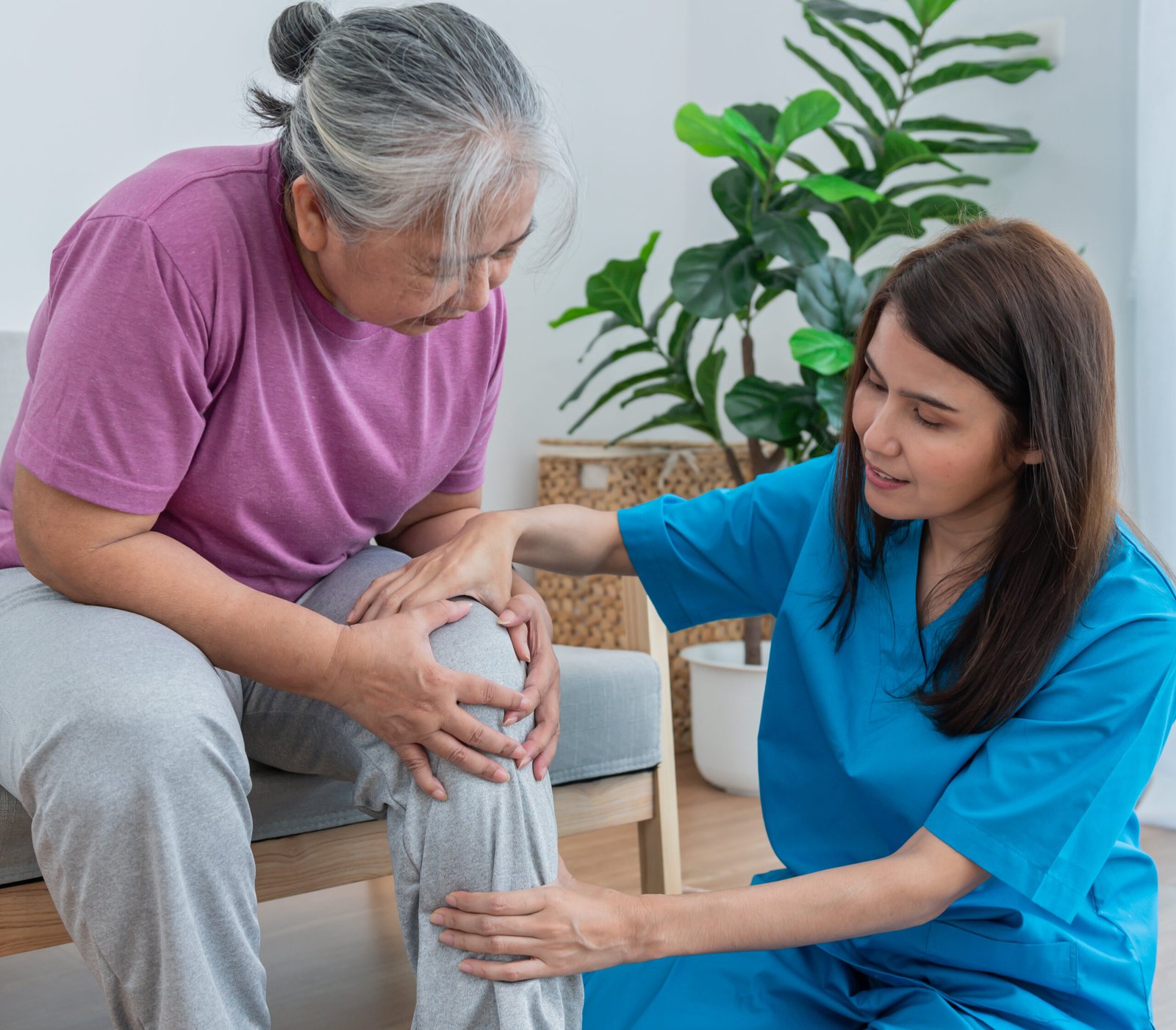
Gentle hands-on treatment can help reduce stiffness and improve joint movement.
Strengthening Exercises
Exercises build support around the joint so daily movement feels easier.
Mobility Exercises
Regular movement work helps keep the joints flexible and less stiff.
Heat and Cold Guidance
We guide you on when heat may help stiffness and when cold may help swelling.
Joint Protection Training
You learn safer ways to walk, lift, sit, and use painful joints.
Walking and Balance Training
Improving walking pattern and balance can reduce joint stress and improve confidence.
Importance of Early Treatment
Starting treatment early can improve comfort and reduce the risk of long-term joint problems. Key benefits include:
- Reduces stiffness early: Regular guided movement helps stop joints from becoming more stiff.
- Protects daily function: Early care helps keep walking, stairs, and daily tasks easier.
- Builds support muscles: Stronger muscles reduce extra load on painful joints.
- Helps control flare-ups: Good joint care can lower repeated swelling and pain.
- Improves long-term comfort: Early treatment supports better movement and quality of life over time.
Recovery Time & Expected Outcomes
Arthritis is usually managed over time rather than cured quickly. Many people start to feel less pain and better movement after a few weeks of regular treatment, but long-term care is often needed.
Our commitment: We provide honest guidance and a sustainable plan to help you manage your arthritis effectively for the long term.
Why Choose Sajjad Rehabilitation
- Trained Therapists: Our team is experienced in managing chronic joint conditions, including care for elderly patients.
- One-to-One Care: We provide individual attention to ensure exercises are safe and effective.
- Ethical Treatment: We focus on long-term management and functional improvement.
- Safe Environment: Our clinic is a clean, professional, and supportive space for recovery.
Book an Assessment
Get a professional evaluation and a personalized rehabilitation plan.
FAQs
Morning stiffness is common in arthritis. It may improve after you start moving, but stiffness that lasts a long time should be checked.
Walking is often helpful because it keeps joints moving and supports muscle strength. During a flare-up, the amount of walking may need to be reduced.
Heat often helps stiffness, and cold can help swelling after a flare-up. The right choice depends on whether the joint feels stiff or swollen.
Arthritis usually cannot be cured completely, but symptoms can often be managed well. Treatment focuses on reducing pain, improving movement, and protecting the joints.
Yes, physiotherapy can help reduce arthritis pain, improve joint movement, and strengthen the muscles around the joint.
You should get medical advice if swelling keeps getting worse, the joint becomes very painful, hot, or red, or you cannot use the joint properly.