At Sajjad Rehabilitation & Therapy Centre in Patna, we help people who cough during meals, feel food stuck in the throat, or have trouble swallowing after stroke, illness, or surgery. Therapy is planned to improve swallowing safety and make eating and drinking more comfortable.
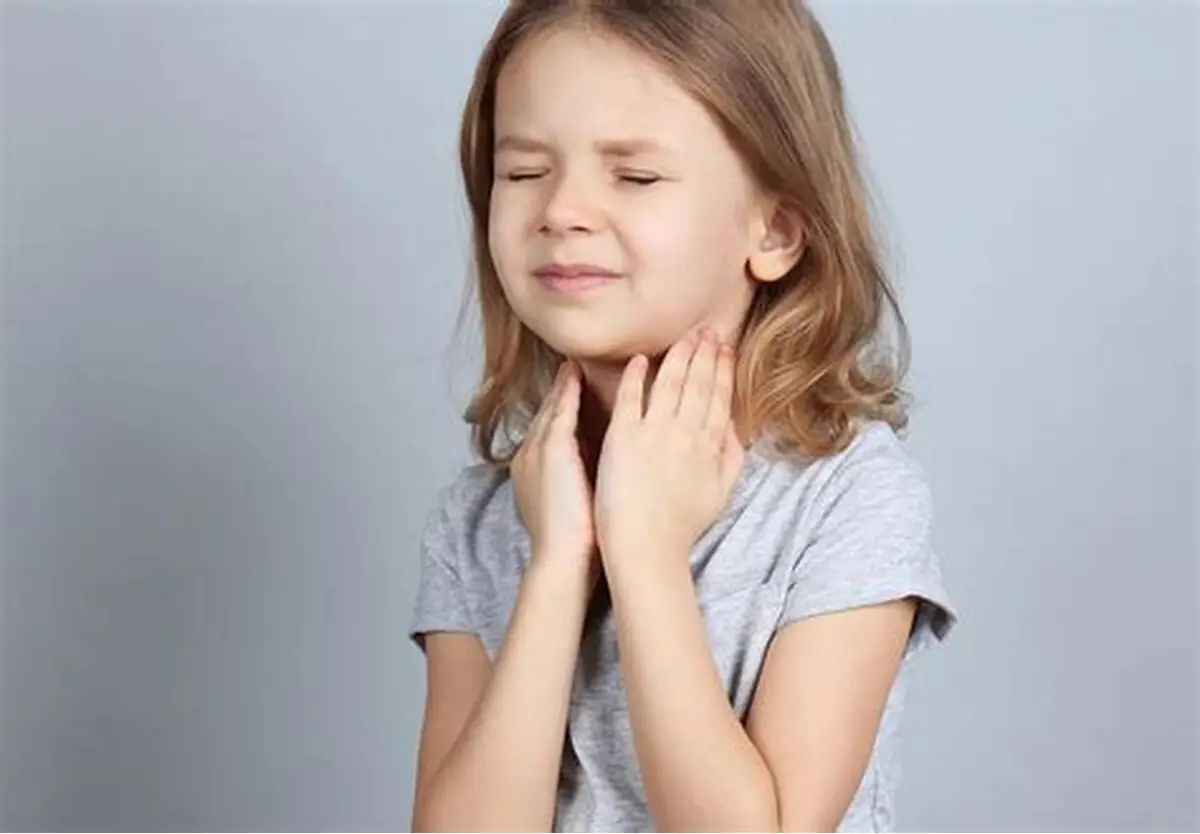
Some people cough or choke during meals because food or drink is not going down safely.
The person may feel food getting stuck in the throat or needing many swallows to clear it.
A gurgly or wet voice after eating or drinking can be a sign of swallowing trouble.
Eating may become very slow, tiring, or stressful because chewing and swallowing feel hard.
Some people start eating less or drinking less because swallowing feels uncomfortable or unsafe.
Swallowing problems can sometimes lead to food or liquid going the wrong way and causing chest issues.
We first check how swallowing is working, what foods or drinks feel difficult, whether there is coughing or wet voice, and how meals are affecting health and comfort.
Therapy may include safer swallowing methods, posture changes, food or liquid changes when needed, simple exercises, and family guidance so mealtime becomes safer and less stressful.
We teach positions and swallowing steps that can lower the risk of coughing, choking, or food going the wrong way.
Some people need softer foods or different drink thickness for a time, based on what is safest in assessment.
When suitable, therapy includes practice to improve coordination and make everyday eating and drinking easier.
We review swallowing history, signs of difficulty, meal problems, and safety concerns.
A practical plan is made for food texture, drinks, posture, and mealtime habits.
Therapy focuses on safe swallowing methods and exercises when they are suitable.
The plan is adjusted as swallowing improves and meals become safer and easier.
Early swallowing support can help reduce unsafe eating and drinking patterns before they become more serious.
Treatment can help the person eat and drink more safely so the body gets enough food and fluids.
Safer swallowing habits may lower the chance of food or liquid entering the airway and causing chest problems.
People often feel less fear and less stress around meals when they know the safest way to eat and drink.
We keep swallowing therapy careful, practical, and focused on safe eating in real daily life.
Get a clear swallowing evaluation and a therapy plan based on the person's safety and eating needs.
Coughing when drinking water can happen when liquid is not going down safely. It may be a sign of a swallowing problem and should be checked, especially if it happens often.
Food feeling stuck in the throat is not something to ignore. It can happen with swallowing weakness or poor coordination and may need a swallowing assessment.
Yes. Speech therapy can help many people after stroke by improving swallow safety, teaching safer eating methods, and guiding food or liquid changes when needed.
Some people do need softer food or thicker liquids, but this should be decided after assessment. The safest diet is different for each person.
Recovery time depends on the cause and severity of the swallowing problem. Some people improve in a few weeks, while others need longer support and regular review.
Urgent medical help is important if swallowing trouble comes with repeated choking, breathing trouble, fever after meals, chest infection, dehydration, or sudden change after stroke or surgery.