At Sajjad Rehabilitation & Therapy Centre in Patna, we provide structured physiotherapy for ACL, MCL, ankle, and shoulder ligament injuries. Our goal is to reduce pain, improve joint stability, and help you return safely to daily activities, exercise, and sport.
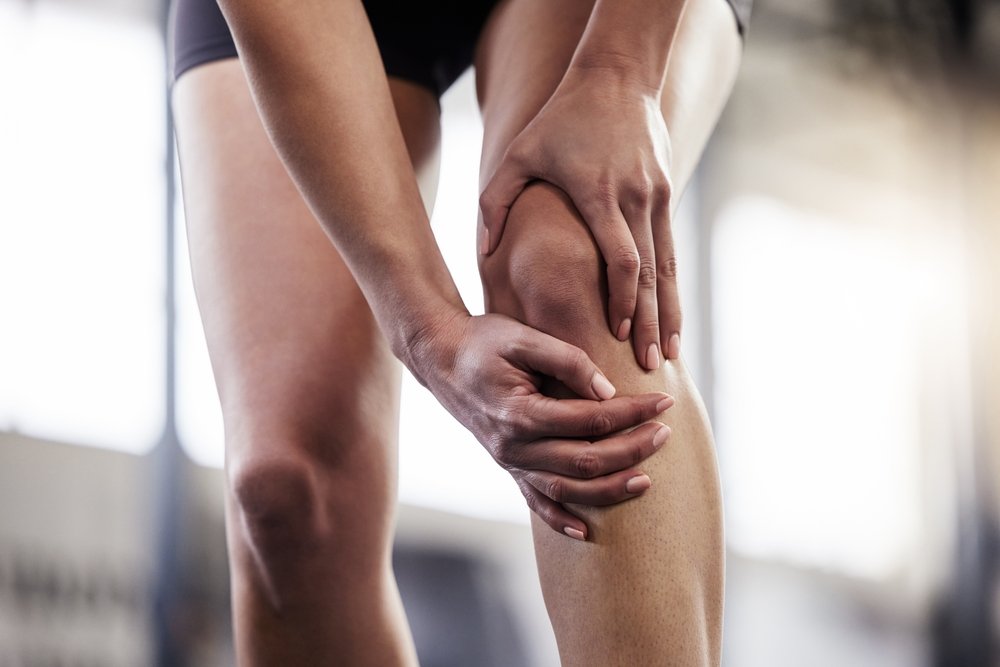
This knee ligament can get injured during twisting, sudden stopping, or landing badly in sport.
These side knee ligaments may get hurt after a direct hit, awkward twist, or sudden force.
Ankle ligaments can stretch or tear when the foot rolls in or out during walking, running, or sport.
Shoulder ligament injury can make lifting the arm, pushing, or overhead activity painful and weak.
Ligament rehab is not only about waiting for pain to settle. We check how the joint moves, how stable it feels, and what daily or sports load is slowing recovery.
Then we build a step-by-step plan to reduce pain, improve joint control, rebuild strength, and prepare you for walking, stairs, running, or sports safely.
Early treatment helps calm the joint so walking and basic movement become easier.
We train the muscles and balance system so the joint feels stronger and safer.
You move from simple exercises to higher activity only when the joint is ready.
Protect the joint, control pain, and reduce swelling.
Improve movement and start early strengthening.
Build balance, control, and stronger support around the joint.
Return to sport or harder activity with guided progression.
Early care can help reduce pain and swelling before they become harder to manage.
Safe movement started at the right time can help stop the joint from becoming too stiff.
Rehab improves strength and balance so the joint does not feel loose or shaky for long.
Starting treatment early gives you a better base for walking, exercise, and sports later.
We focus on practical ligament rehab that helps you feel more stable and return with confidence.
Get a professional evaluation and a personalized ligament rehab plan.
Some ligament injuries can improve without surgery, especially milder sprains and some partial tears. The right plan depends on the joint involved, how unstable it feels, and your activity goals.
Physiotherapy often starts early after medical assessment. Early rehab usually focuses on pain and swelling control, safe movement, and protecting the joint before harder strengthening begins.
A joint may still feel loose if strength, balance, reaction time, or ligament healing are not yet good enough. Physiotherapy works on joint control, muscle strength, and confidence so the area feels more stable.
Recovery time depends on the joint, the grade of injury, and whether surgery was needed. Mild sprains may improve in weeks, while bigger tears or return-to-sport rehab can take several months.
Return should be based on strength, balance, swelling control, movement quality, and sport testing, not only time. You should return step by step when the joint is ready for running, jumping, cutting, or landing.
A small increase in discomfort can happen with rehab, but strong pain, large swelling, or repeated giving way should be reviewed. Exercises should challenge the joint without causing a clear setback.