At Sajjad Rehabilitation & Therapy Centre in Patna, we provide structured physiotherapy for pulled muscles caused by sports, gym training, running, lifting, or daily work. Our goal is to reduce pain, improve movement, rebuild strength, and help you return safely without repeated strain.
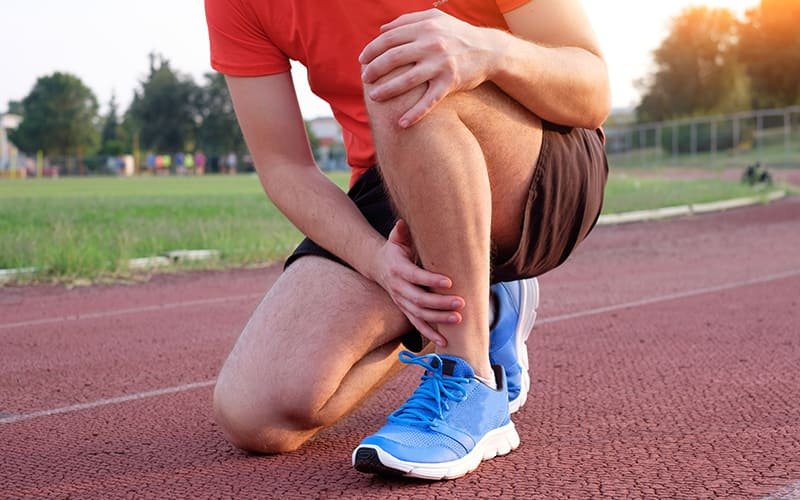
Pain in the back of the thigh can make running, bending, or fast walking hard.
A calf strain can cause a sharp pain while pushing off, climbing stairs, or walking fast.
Inner thigh pain is common during side steps, quick turns, kicking, or sudden movement.
Pain in the front thigh may affect running, jumping, climbing, or getting up from a chair.
The lower back can feel tight and painful after lifting, bending, twisting, or long sitting.
Pain around the shoulder may start after gym work, lifting, throwing, or overhead activity.
Muscle strain rehab is not only about rest. We check pain, swelling, tightness, weakness, and which movement is still irritating the injured area.
Then we build a simple step-by-step plan to calm pain, restore easy movement, rebuild strength, and help you return safely to walking, gym, running, lifting, or sport.
Early treatment helps reduce pain and stops the injured muscle from getting more irritated.
We improve flexibility and control so the muscle can move better in daily activity.
You go back to gym, running, work, or sport only when the muscle is ready.
Calm pain, reduce swelling, and start gentle movement.
Add light stretching and easy strength work.
Build better strength, balance, and control.
Return to gym, running, sport, or heavy work step by step.
Early care can reduce pain before daily work and sleep become more difficult.
Starting safe movement early can stop the muscle from becoming too stiff.
Good rehab helps the muscle heal with better strength and control.
You are less likely to go back too early and strain the same area again.
We focus on muscle strain rehab that helps you move better, heal well, and return with confidence.
Get a professional evaluation and a personalized muscle rehab plan.
A muscle strain usually starts with sharper pain during or soon after activity. You may also notice tightness, tenderness, swelling, bruising, or pain when you stretch or use the muscle.
Ice is often more helpful in the early stage to reduce pain and swelling. Heat may feel better later when the muscle is stiff, but it should not replace a proper recovery plan.
Physiotherapy often starts early with pain control, gentle movement, and advice on what to avoid. The exact timing depends on how painful the strain is and which muscle is involved.
Yes, some tightness can remain while the muscle heals. Rehab helps improve flexibility, control, and strength so the muscle does not stay stiff for too long.
Return should depend on pain-free movement, strength, and how well the muscle handles walking, jogging, lifting, or sport drills. Going back only by time can raise the risk of re-injury.
Get checked quickly if pain is severe, there is a large swelling or bruise, you cannot walk or use the limb properly, the area looks deformed, or symptoms do not start improving.