Back Pain Physiotherapy Treatment in Patna
Specialized rehabilitation for acute and chronic back pain. We focus on identifying the root cause of your pain to provide lasting relief and prevent recurrence through targeted physiotherapy.
Reasons of Back Pain
Sharp or Aching Pain
Persistent pain in the lower or upper back that worsens with movement or prolonged sitting.
Stiffness
Difficulty bending, twisting, or getting up from a seated position, especially in the morning.
Radiating Pain (Sciatica)
Pain that travels from the lower back down into the buttock, thigh, or leg.
Muscle Weakness
Weakness in the core and back muscles, leading to poor spinal support and instability.
Difficulty in Daily Activities
Trouble with simple tasks like lifting objects, standing for long periods, or walking.
Numbness or Tingling
A 'pins and needles' sensation in the legs or feet due to nerve compression.
How Physiotherapy Helps
Physiotherapy is a cornerstone of effective back pain management. It focuses on restoring function and preventing future episodes.
- Movement Restoration: Gentle exercises to restore normal spinal movement and reduce stiffness.
- Strength Improvement: Targeted exercises to strengthen the deep core and back muscles that stabilize the spine.
- Joint Stability: Improving the stability of spinal joints to reduce wear and tear.
- Safe Recovery: Providing a structured program that allows the body to heal without causing further injury.
Why Finding the Real Cause Matters
We do not only reduce pain. We check what is causing it, like weak muscles, bad posture, or disc pressure, and then make a plan to fix it.
Rehabilitation & Recovery Timeline
Assessment
Detailed evaluation of your posture, spinal movement, muscle strength, and pain triggers.
Personalized Plan
Creating a customized therapy plan with specific exercises and goals for your condition.
Gradual Progression
Starting with gentle exercises and gradually increasing the intensity as your strength improves.
Safety Monitoring
All sessions are supervised by trained therapists to ensure exercises are performed correctly and safely.
Physiotherapy Techniques Used
Manual Therapy
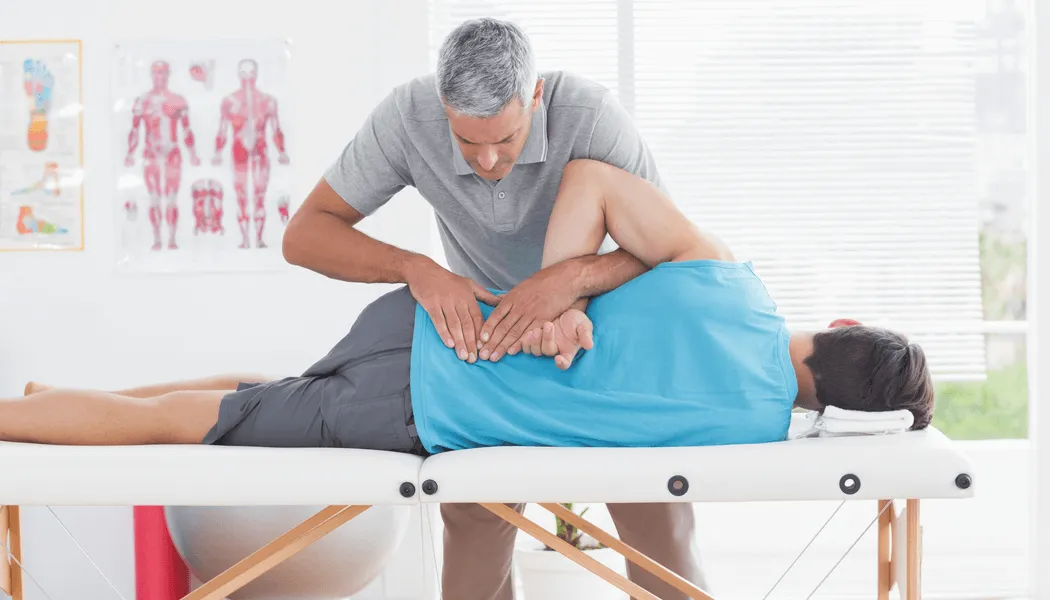
Hands-on techniques like spinal mobilization to reduce joint stiffness and relieve pain.
Core Strengthening
Specific exercises to build strength in the deep abdominal and back muscles.
Stretching
Targeted stretching for tight muscles (like hamstrings and hip flexors) that contribute to back pain.
Posture Correction
Guidance on ergonomics and exercises to improve sitting and standing posture. Includes ergonomic desk setup advice for office workers.
Pain Management Modalities
Use of TENS, IFT, or ultrasound to provide relief from acute pain and muscle spasms.
Gait Training
Correcting walking patterns that may be contributing to back strain.
Importance of Early Treatment
Starting treatment early can improve recovery and reduce the risk of long-term back problems. Key benefits include:
- Prevents chronic pain: Early care helps stop stiffness and back pain from turning into a long-term problem.
- Reduces nerve irritation: Timely treatment can limit pain that starts moving into the hip or leg.
- Improves movement sooner: Guided exercises help you return faster to sitting, walking, and daily work.
- Builds support early: Strengthening the core and back muscles early gives better support to the spine.
- Lowers repeat flare-ups: Early physiotherapy helps correct posture and habits before they keep causing pain again.
Recovery Time & Expected Outcomes
Recovery from back pain varies. A simple muscle strain may resolve in a few weeks, while a significant disc issue may take several months of consistent therapy. Progress is often gradual.
Our commitment: We focus on achieving steady, measurable improvements in your function and pain levels, providing honest guidance throughout your recovery journey.
Why Choose Sajjad Rehabilitation
- Trained Therapists: Our team is experienced in treating complex spinal conditions.
- One-to-One Care: We provide individual attention to ensure correct exercise technique and safety.
- Ethical Treatment: We focus on addressing the root cause, not just providing temporary relief.
- Safe Environment: Our clinic is a clean, professional, and supportive space for recovery.
Book an Assessment
Get a professional evaluation and a personalized rehabilitation plan.
FAQs
Long bed rest usually makes stiffness and weakness worse. Short rest may help during a flare-up, but gentle walking and guided movement are often better for recovery.
Many cases improve with physiotherapy, movement, and proper load management. Surgery is usually considered only when symptoms are severe, progressive, or not improving with conservative care.
If back pain runs into the leg with numbness, weakness, or worsening walking, you should get assessed promptly. Seek urgent medical care for bladder or bowel changes or major weakness.
Yes, prolonged sitting can increase back strain, especially with poor posture, weak core support, or limited movement breaks. Changing position regularly often helps.
Side sleeping with a pillow between the knees or back sleeping with a pillow under the knees can reduce strain. The best position is the one that keeps the spine comfortable and supported.
If back pain is not improving after a few days, keeps returning, or starts affecting sleep, work, or daily movement, it should be evaluated by a qualified clinician.