Post-Fracture Treatment in Patna
Sajjad Rehabilitation & Therapy Centre provides expert post-fracture treatment in Patna to help you recover safely after a bone injury. We focus on movement correction, rebuilding strength, and non-surgical care to get you back to your daily activities. Serving patients across Patna and nearby areas of Bihar.
Reasons of Post-Fracture Stiffness
Long Time in Cast
When a limb stays still for many weeks, the joints and soft tissues become tight.
Weak Muscles
Muscles lose strength during rest, which makes movement harder after the fracture starts healing.
Joint Tightness
Less movement inside the joint can cause stiffness in the area above and below the fracture.
Swelling
Swelling after injury or cast removal can make the limb feel heavy, painful, and difficult to move.
Pain and Fear of Movement
Many people avoid using the limb because they worry it may hurt or get injured again.
Poor Walking or Hand Use
After a fracture, the body often starts moving in the wrong pattern, which can slow recovery.
How Physiotherapy Helps
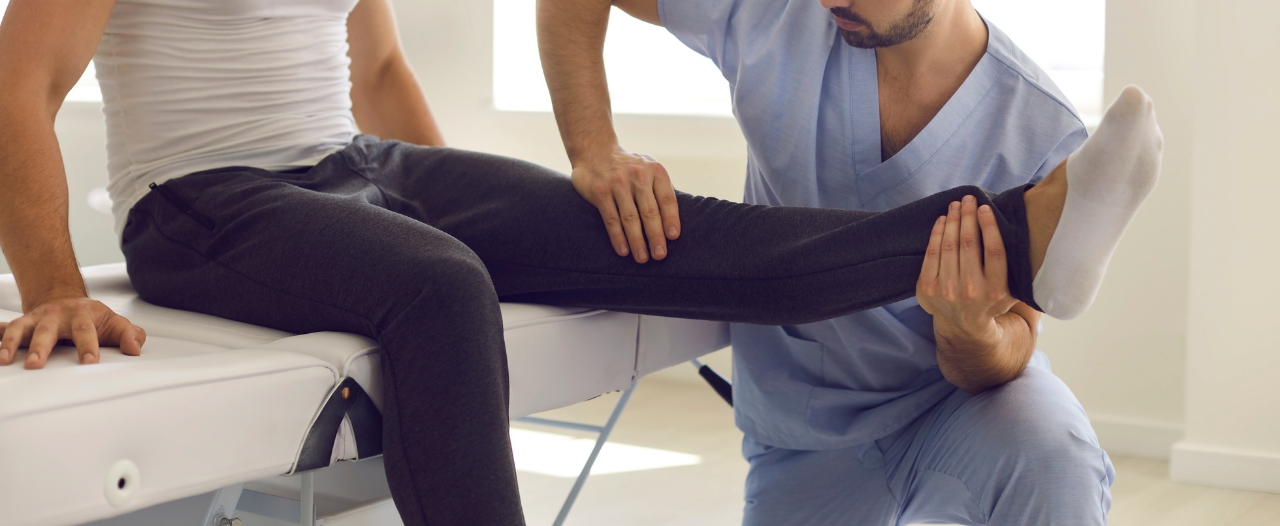
Physiotherapy plays an important role after a fracture. It helps the body move better again and reduces the stiffness that often starts after cast removal.
- Improves movement: Gentle exercises help the stiff joint start moving again.
- Builds strength: Weak muscles are trained step by step so the limb feels more stable.
- Guides safe weight-bearing: You learn when and how to put weight on the limb safely.
- Reduces swelling: Simple movement, positioning, and advice can help control swelling.
- Brings back daily function: Rehab helps with walking, climbing stairs, gripping, or using the limb with confidence.
Why Guided Exercise Matters
Doing the right exercises at the right time helps recovery move faster. We guide you safely so you do not stay stiff or overload the healing area.
Rehabilitation & Recovery Timeline
Assessment
Evaluation of pain, swelling, range of motion, and muscle strength after cast removal.
Personalized Plan
Creating a therapy plan based on your fracture type and recovery goals.
Gradual Progression
Starting with gentle movements and progressing to strengthening and weight-bearing.
Safety Monitoring
All sessions are supervised to ensure exercises are performed correctly and safely. We differentiate between stretch pain (good) and injury pain (bad) during rehab.
Physiotherapy Techniques Used
Manual Therapy
Hands-on joint mobilization to reduce stiffness and improve movement.
Therapeutic Exercises
Specific exercises to restore range of motion and build muscle strength.
Gait Training
Re-learning to walk with a normal pattern, with or without assistive devices.
Balance Training
Exercises to improve stability and prevent falls during recovery.
Pain Management Modalities
Use of ice, heat, or TENS to manage pain and swelling.
Stretching
Gentle stretching to improve flexibility in tight muscles and soft tissues.
Importance of Early Treatment
Starting treatment early can make recovery smoother and help you get back to normal activities with less delay. Key benefits include:
- Prevents long-term stiffness: Early movement helps stop joints from becoming more tight.
- Controls swelling sooner: Simple treatment can reduce swelling before it slows movement more.
- Builds strength earlier: Muscles recover better when guided exercise starts at the right time.
- Improves walking or hand use: Early rehab helps you return faster to normal daily work.
- Increases confidence: Supervised recovery reduces fear and helps you trust the limb again.
Recovery Time & Expected Outcomes
Recovery after a fracture is different for every person. A simple fracture may improve in a few weeks after cast removal, while a major fracture or surgery may need several months of steady rehabilitation.
Our commitment: We focus on achieving steady, measurable improvements in your function, providing honest guidance throughout your recovery journey.
Why Choose Sajjad Rehabilitation
- Trained Therapists: Our team is experienced in post-fracture rehabilitation.
- One-to-One Care: We provide individual attention to ensure correct exercise technique and safety.
- Ethical Treatment: We follow safe, evidence-based protocols for recovery.
- Safe Environment: Our clinic is a clean, professional, and supportive space for recovery.
Book an Assessment
Get a professional evaluation and a personalized rehabilitation plan.
FAQs
Many people benefit from physiotherapy after a fracture, especially if they have stiffness, weakness, swelling, trouble walking, or difficulty using the arm or leg normally.
Physiotherapy usually starts when your orthopedic doctor says the bone is stable enough. In many cases, rehab begins soon after cast removal, and sometimes nearby joints are moved earlier under guidance.
Yes, physiotherapy can help improve joint movement, rebuild muscle strength, and reduce swelling with guided exercises, positioning advice, and safe activity progression.
Mild stretching discomfort can be normal when a stiff joint starts moving again, but sharp pain or pain that keeps getting worse should be checked. Exercises should match your stage of healing.
It depends on the bone involved, how stiff the joint is, and how much strength was lost. Many people need several weeks of physiotherapy, while more serious fractures may need a longer recovery period.
You should start walking only when your orthopedic doctor says it is safe to bear weight. A physiotherapist can then help you improve balance, strength, and walking step by step.