Is There a Cure for Autism Spectrum Disorder? What Parents Should Know
Is there a cure for autism spectrum disorder? This is one of the first questions many parents ask when their child is diagnosed with autism. They want to know whether their child will be able to speak, attend school, make friends, and live independently.
The simple answer is that autism has no known cure. However, the right therapy, early support, and a caring environment can help autistic children learn important skills and manage everyday activities.
Let’s understand what autism is, which treatments can help, and what parents should know.
What Is Autism Spectrum Disorder?
Autism spectrum disorder (ASD) is a condition related to how the brain develops. It affects the way a person communicates, learns, interacts with others, and experiences the world.
Every autistic child is different.
Some children may have difficulty speaking. Others may speak well but find social situations or changes in routine challenging.
For example, one child may become uncomfortable with loud sounds, while another may prefer playing with the same toy repeatedly.
These differences are why autism is called a spectrum.
Autism is not caused by poor parenting, and it is not something a child chooses.
Is There a Cure for Autism Spectrum Disorder?
No. There is currently no scientifically proven cure for autism spectrum disorder.
Autism is a lifelong developmental condition. It cannot be removed through medicine, surgery, or special diets.
However, this does not mean that children with autism cannot learn or make progress.
With suitable support, children may improve their communication, develop everyday skills, and become more comfortable in different situations.
Some autistic people need lifelong assistance, while others live independently.
The goal of autism therapy is not to change who a child is. It is to help them develop skills, overcome difficulties, and enjoy a better quality of life.
What Are the Early Signs of Autism in Children?
Parents often notice developmental differences during the first few years of their child’s life.
Some common signs include:
- Not responding to their name regularly
- Delayed speech or communication
- Limited use of gestures, such as pointing
- Differences in eye contact
- Repeating certain words or movements
- Becoming upset when routines change
- Being sensitive to sounds, lights, or touch
- Finding certain social interactions difficult
Not every child with these signs has autism.
If you notice developmental concerns, consult a pediatrician or developmental specialist for an assessment.
Can Early Treatment Help Children With Autism?
Yes. Early support can help children build important skills.
During childhood, the brain is developing quickly. This makes the early years a valuable time to support communication, movement, learning, and everyday activities.
For example, a child who struggles to express their needs may learn to communicate using words, pictures, or gestures.
Another child may learn to dress, eat, or participate in play with greater confidence.
However, every child develops at their own pace.
Early therapy does not cure autism, and no treatment can guarantee a particular result.
Support can also be useful for older children, teenagers, and adults.
Which Therapies Can Help Children With Autism?
There is no single therapy that works for every autistic child.
The right support depends on the child’s individual needs.
1. Speech and Language Therapy
Some autistic children find it difficult to communicate.
They may struggle to explain what they want, understand instructions, or take part in conversations.
Speech therapy can help children develop communication skills.
For example, a therapist may help a child ask for food, express discomfort, or communicate during play.
Children who do not use spoken words may benefit from pictures, gestures, or communication devices.
The aim is to help the child communicate effectively.
2. Occupational Therapy
Everyday activities can sometimes be challenging for autistic children.
Getting dressed, brushing teeth, eating, or holding a pencil may require extra support.
Occupational therapy helps children develop skills for daily life.
It may also help children manage sensory difficulties, such as discomfort caused by certain sounds or textures.
3. Developmental and Behavioral Support
Some children benefit from extra help with learning, communication, and managing difficult situations.
Developmental and behavioral support can teach useful skills through play, practice, and everyday routines.
Therapy should respect the child’s needs, comfort, and independence.
The focus should be on helping the child, not forcing them to hide harmless autistic behaviors.
Some autistic children also experience problems with balance, coordination, or physical movement.
They may find jumping, running, or climbing stairs difficult.
Physiotherapy can help children who have these movement-related needs.
A physiotherapist may recommend exercises and activities suited to the child.
However, physiotherapy does not cure autism itself.
5. Parent Guidance
Parents play an important role in their child’s development.
Therapists may guide parents on how to support communication, encourage play, and make daily activities easier.
Small changes at home can help children feel more comfortable and supported.
Can Medicine Cure Autism?
No medicine can cure autism spectrum disorder.
However, some autistic children may also experience sleep difficulties, anxiety, attention problems, or other health conditions.
Doctors may recommend medication for certain additional conditions when necessary.
Parents should never give medicines or supplements without professional medical advice.
Be careful with advertisements promising a permanent autism cure.
Treatments such as detox products, unproven supplements, and miracle remedies have not been shown to cure autism.
Can a Child With Autism Live an Independent Life?
Many autistic people attend school, work, build friendships, and live fulfilling lives.
Some people need very little support. Others require regular assistance with daily activities.
A child’s future depends on many factors, including their individual abilities, health, environment, and access to support.
Autism does not determine a person’s value or potential.
Instead of comparing children with others, parents can focus on their child’s strengths and personal progress.
How Can Parents Help a Child With Autism at Home?
Parents can support their children through simple everyday activities.
Use clear language: Speak in simple sentences and give your child enough time to respond.
Follow a routine: Regular daily activities may help children feel more comfortable.
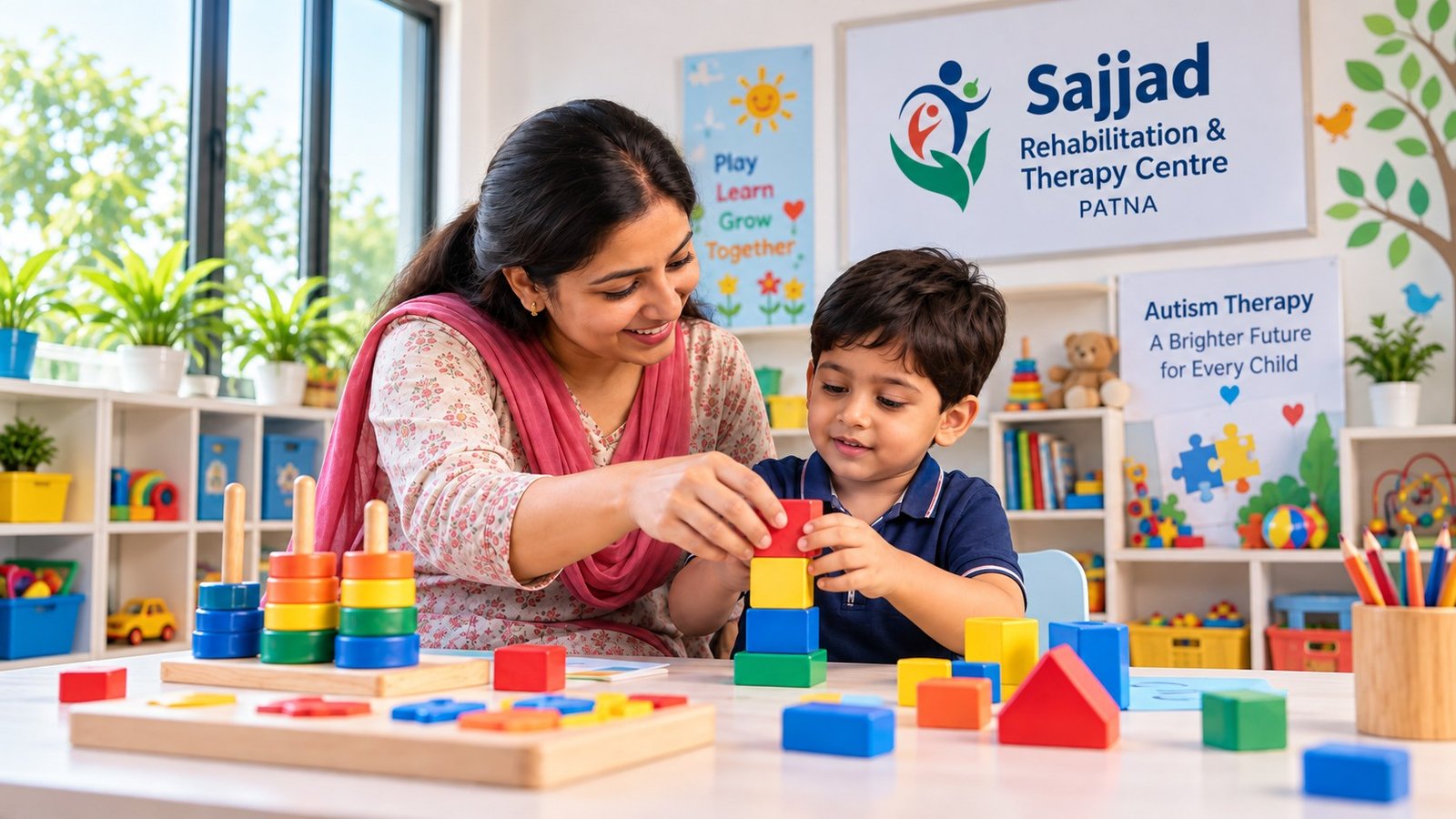
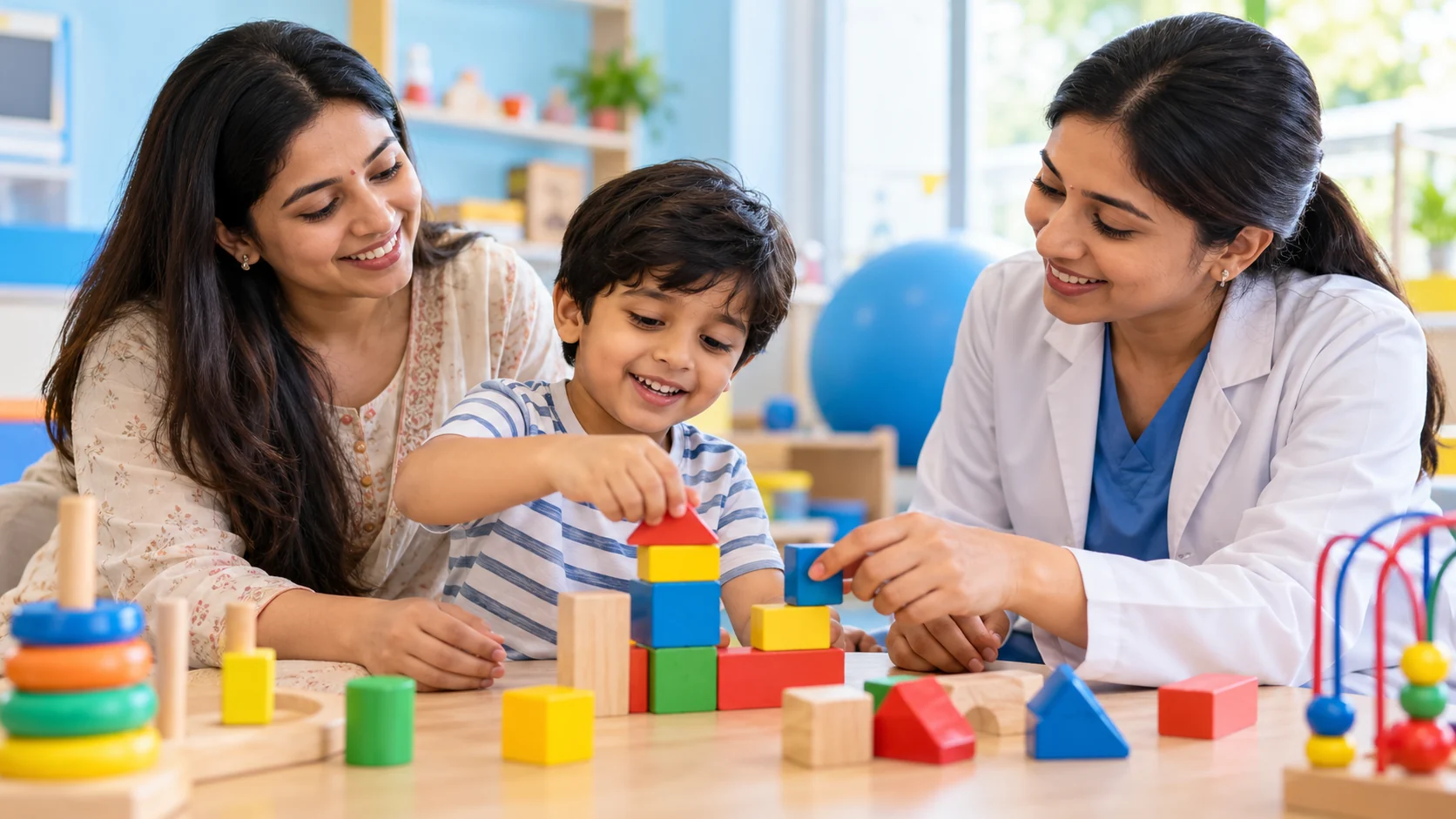
Play together: Use toys, drawing, puzzles, or games your child enjoys.
Respect sensory needs: Notice which sounds, lights, or environments make your child uncomfortable.
Encourage communication: Accept words, gestures, pictures, and other ways your child expresses their needs.
Celebrate progress: Appreciate small achievements without putting pressure on your child.
Most importantly, make your child feel safe, loved, and understood.
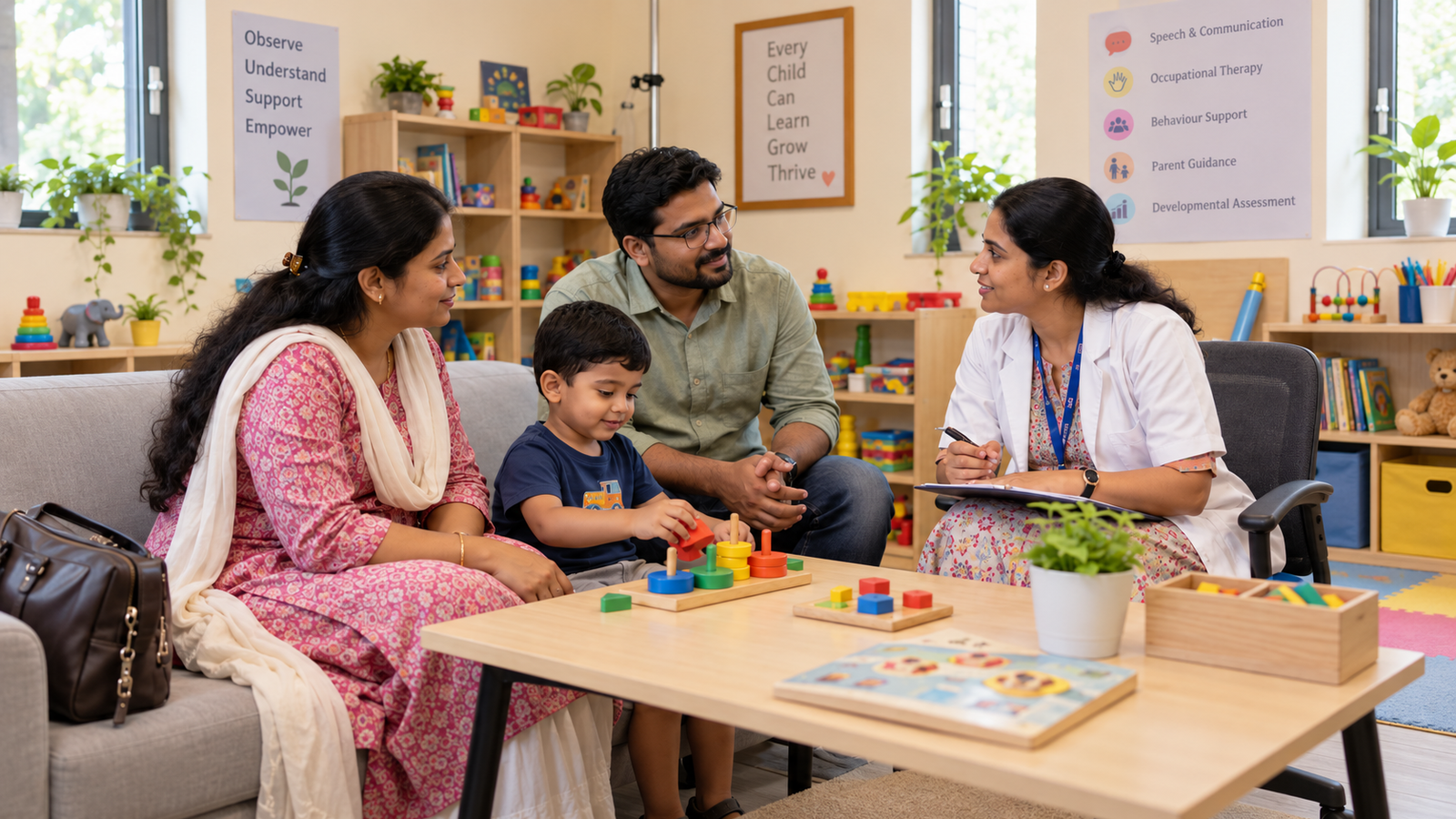
When Should Parents Consult a Specialist?
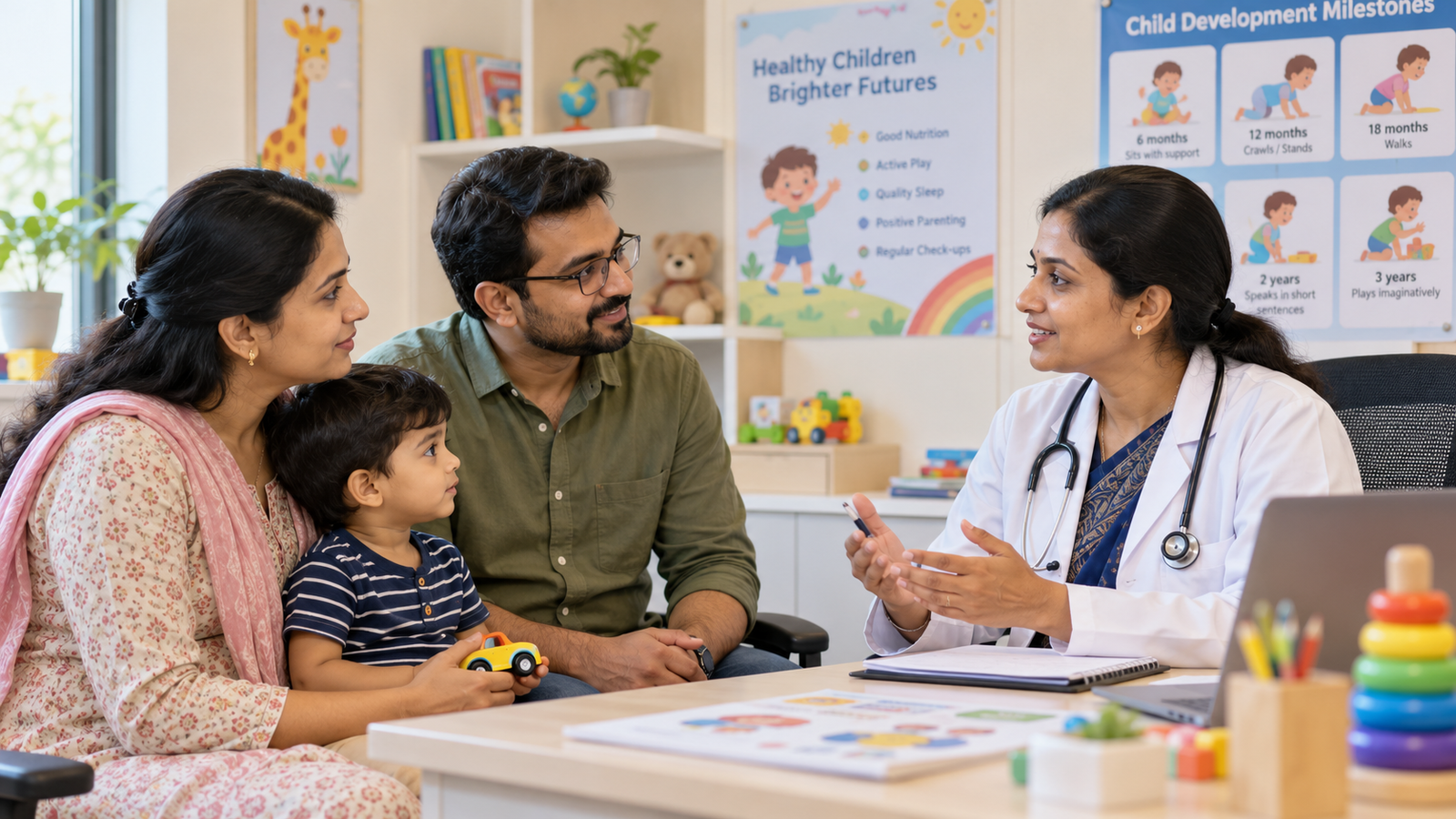
If your child has delayed speech, difficulty communicating, or other developmental differences, speak with a qualified healthcare professional.
A pediatrician or developmental specialist can assess your child’s development and recommend appropriate support.
You do not need to wait for a formal autism diagnosis before asking about help for developmental delays.
Early guidance can make it easier for families to understand their child’s needs.
Autism Awareness and Rehabilitation Support at Sajjad Rehab
Every child deserves understanding, respect, and opportunities to learn.
At Sajjad Rehab, we believe that families should have access to clear and reliable information about rehabilitation and child development.
Children with developmental difficulties may benefit from speech therapy, occupational therapy, physiotherapy, or other support based on their individual needs.
Also know
Is there a permanent cure for autism?
No. Autism is a lifelong developmental condition, and there is currently no proven cure. However, suitable therapies and support can help autistic people develop useful skills.
Can autism be treated at home?
Parents can support their child’s learning and communication at home. However, professional assessment and guidance are important when a child has developmental difficulties.
Can speech therapy help an autistic child?
Yes. Speech and language therapy may help children communicate through spoken words, gestures, pictures, or communication devices.
What is the best age to start autism therapy?
Support should begin when developmental needs are identified. Early intervention can be helpful, but people of any age may benefit from appropriate services.
Can autistic children attend regular schools?
Yes. Many autistic children attend mainstream schools. Some may need classroom accommodations or additional learning support.
Is autism caused by vaccines?
No. Large scientific studies have found no evidence that vaccines cause autism.
Conclusion
So, is there a cure for autism spectrum disorder?
The answer is no. But appropriate therapy, family understanding, and ongoing support can help autistic children learn new skills and enjoy meaningful lives.
Every child is different. Some may need more help than others, and progress may take time.
The most important thing is to understand your child’s needs, appreciate their strengths, and provide the support that works for them.
Medical Disclaimer: This article is for educational purposes only. It does not replace professional medical advice, diagnosis, or treatment. Always consult a qualified healthcare professional for individual guidance.