What Kind of Therapy Is Best for Autism?
Parents ask us this almost every week, usually in the first five minutes of a consultation. And honestly, I understand why. When you're worried about your child, you want one clear answer.
Here's the straight one: there isn't a single "best" therapy. What works wonderfully for one child may do very little for another. That's simply how autism works. It's a spectrum, so every child needs a slightly different plan.
Start with what your child actually struggles with
Before choosing any therapy, look at your child's daily life. Does he barely speak? Does she cover her ears in a crowded market? Does a small change in routine ruin the whole day? The answers decide where therapy should begin.
That's why a proper assessment matters more than the name of the therapy. At Sajjad Rehabilitation, we look at speech, play, behaviour, sensory needs and daily skills first, and only then build a plan. You can read more about how we work on our autism spectrum disorder therapy in Patna
The therapies parents hear about most
Speech and communication therapy
This isn't only for children who don't talk. It also helps kids who say a few words but can't ask for what they need, or who don't respond when their name is called. Some children start with pictures or gestures before words come, and that's perfectly okay. Our speech therapy team works on understanding as much as speaking.
Behaviour therapy
Many parents think this means "controlling" a child. It doesn't. Good behaviour therapy tries to understand why a meltdown happens, then teaches the child an easier way to cope. Rewards and encouragement do the work, not punishment. Read about our behaviour therapy approach if you'd like to know more.
Occupational and sensory therapy
Think of a child who refuses certain clothes, eats only three foods, or screams at the sound of a mixer. That's often sensory stress, not stubbornness. Occupational therapy helps children handle these feelings and build everyday skills like dressing, eating and sitting for tasks.
Play and social skills
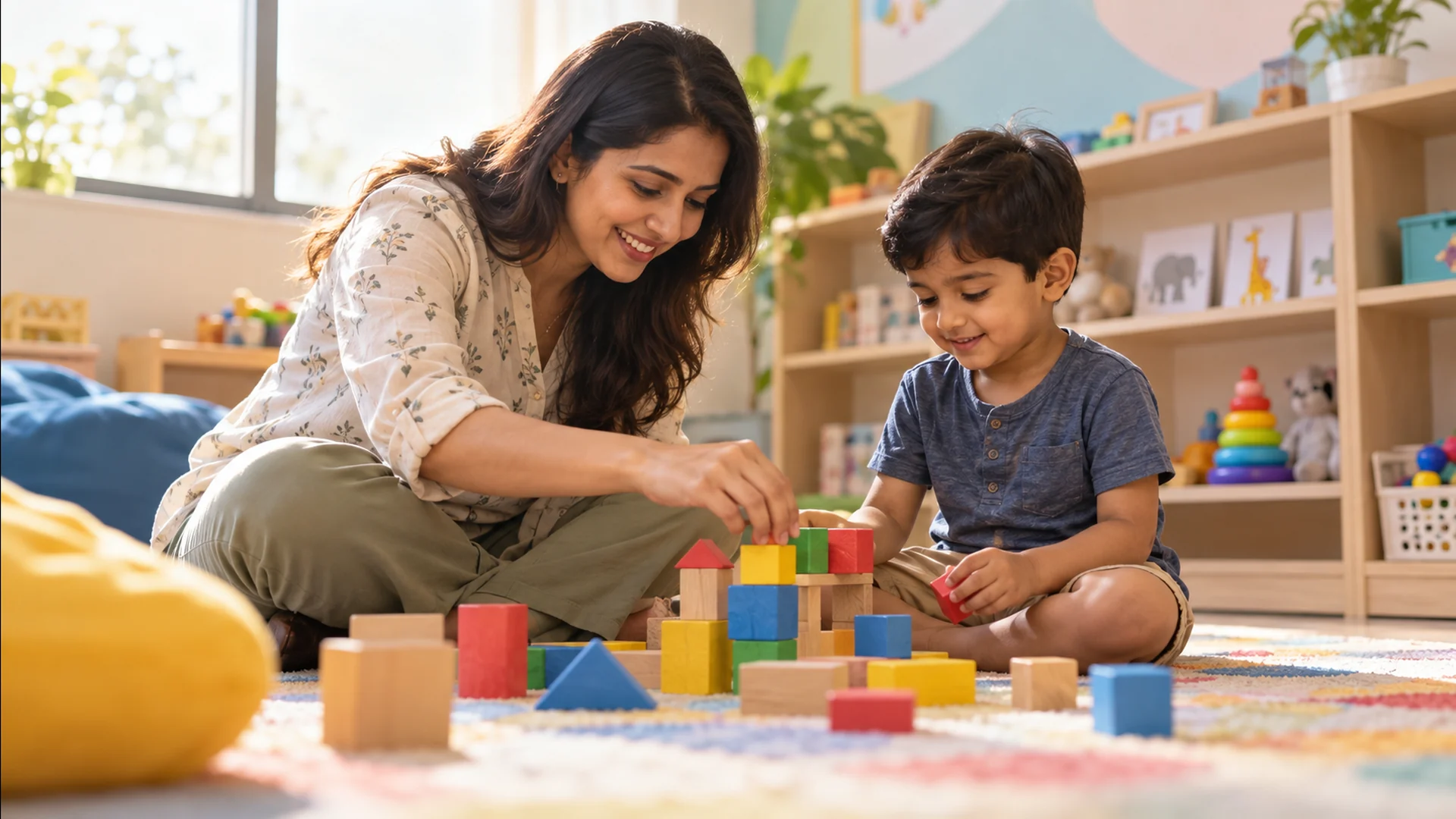
Taking turns, sharing a toy, joining other kids. These look small, but for many autistic children they're real work. Therapists teach them through play, so it never feels like a lesson.
Parent training
If I could pick only one thing from this list, it might be this one. Your child spends maybe an hour in therapy, and the other twenty-three at home. When parents learn a few simple methods for mealtime, play and bedtime, progress usually moves faster.
How do you pick the right one?
Ask these questions when you visit any centre:
- Will you assess my child first, or start therapy straight away?
- Are the goals written down, and can I understand them?
- Will I learn what to do at home?
- How often will progress be reviewed?
If the answers are vague, or you hear "we'll fix this in three months," be careful. Autism isn't an illness, so nothing "cures" it. Therapy helps children learn skills, feel calmer and manage daily life with less stress. That's a real and valuable goal.
Does early start really matter?
Yes, though not in a scary way. Young children learn quickly, so earlier support gives them more time to build skills. But it's never "too late" to help a child. If you've been waiting and wondering, don't feel guilty. Just take the next step.
Think about an assessment if your child:
- Often doesn't respond to their name
- Has delayed speech or very few words
- Rarely points or shares interest with you
- Has frequent meltdowns with noise, touch or change
- Lines up toys or repeats the same action again and again
These signs alone don't confirm autism. They simply mean a professional should take a look.
Common questions
Can my child need more than one therapy?
Very often, yes. Many children get speech, behaviour and occupational therapy together, and the focus changes as they grow.
My child makes eye contact and is very loving. Could it still be autism?
It could. Autism looks different in every child, and affection or eye contact doesn't rule it out.
How long before we see progress?
Small changes may show in a few weeks, but real progress needs regular sessions and practice at home. Every child moves at their own pace.
Not sure where to begin?
You don't have to work it out alone. Our team will look at your child, listen to your concerns and suggest a simple plan. Learn more about our autism therapy in Patna or visit our child rehabilitation services.
Call: +91-6204085381
Kali Mandir Road, Hanuman Nagar, Patna - 800020
Mon to Sat, 9:00 AM to 8:00 PM
Book a Consultation | Book Online Consultation
This content is for general information only and is not a medical diagnosis. Please consult a qualified professional for your child's assessment.